Censorship Class: Dangerous YA Literature
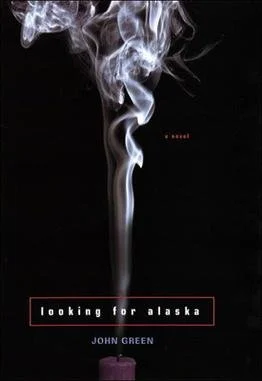
As mentioned in my last post about video games, I considered a few things for the last substantive week. Ultimately, it felt appropriate to end a class inspired by my censorship research with the material that began that work: young adult literature. As I’m maybe too fond of sharing, because academics don’t share our struggles as much as we should, my work is grounded in fandom. I started reading young adult (YA) literature back in 2018 a lot, like an absurd amount. I was fascinated by the realm of diversity in stories and experiences that this genre was putting out. Gradually, this love turned to the controversies over the material and the history of censorship battles. And next thing I know 7 years have flown by. So our final substantive week looked at the world of YA literature through a fair amount of my own work.
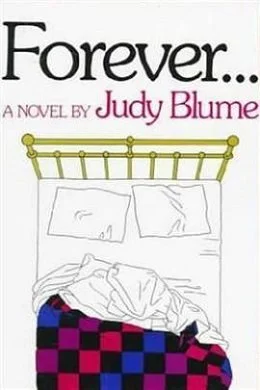
As always, I like to begin with Judy Blume. I provided them with a draft chapter from a book project the situates the contemporary realism turn in YA literature through Judy Blume - in essence, a longer version of my most popular post on this site. Blume’s writing is the easiest to explore the rise of book challenges both because her work exemplifies the world of contemporary realism and she is still widely read today. In fact a number of students were familiar with Are You There God, It’s Me Margaret and were mildly amused at the challenger material I provided complaining about discussion of changing bodies and periods. Less well remembered but as important for the time, I like to utilize some attacks on Norma Klein’s books to broaden things out. It always frustrates me that Klein gets lost in this discussion but she was equally active in the censorship fight and often spoke at events with Blume. (I may have an article in me eventually on this). I included as part of this historical overview some of the 1990s struggles over lesbian and gay inclusive teen and children’s literature and those fights. But it was the modern experience that we spent most of our time with.
As I explained to them, and I mention often in talks, when I began this work in 2018 it felt like a mostly historical project at the time. The evidence I gathered in the first year of my research strongly pointed to a decline in book challenges and a gradual broadening of literature from diverse voices, even in school districts that had once opposed them. And then COVID struck and everything changed. In addition to a few of my scholarly writings, I gave them some of the challenge material I’ve collected as examples but we also worked from their experiences as well. After all, many of them are from Utah and were in high school when this started so they had some memory of these controversies. They were not kind to the censors.
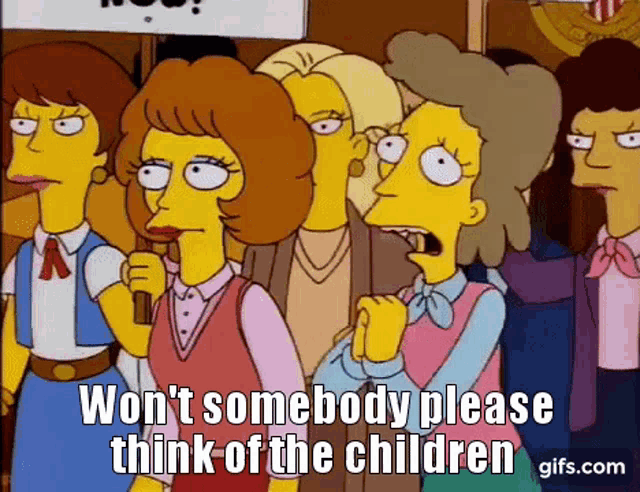
At some level I always expect this. After all, students taking a censorship class from me are likely to be skeptical of the practice and some take cues from me, even though I stress that my skepticism does not have to be their’s. But this semester there have been times that students have been much more sympathetic to censors, especially in things like ratings and the like. But none of that was present partially because of the classic censorship argument: we have to protect kids from knowledge of the real world. Arguments that kids should not ever be exposed to stories of queer people, Black experience, stories of sexual violence, poverty, or whatever just outraged my students. The idea of raising kids ignorant of the real world as an attempt to protect them touched a nerve. I suspect because more than a few grew up in environments that attempted that and they saw first hand how terrible it was, and how it wasn’t possible.
The word most heavily used in this last discussion was empathy. The idea that reading stories of diverse experience builds empathy is something my students just get. Even in the circumstance where the censorship is most justifiable in my opinion - the claim that sexual violence stories can be triggering for kids who have experienced it - they didn’t buy because at base the challengers make clear that they don’t really care about kids in this discussion. It is about their vision of moral purity and in that they are no different than Anthony Comstock and his legions of censorious heirs. Censorship is always dressed up in paternalistic language of preserving the moral, intellectual, spiritual well-being of consumers but in reality it is about controlling those consumers and ensuring they believe what the censor believes.