Censorship Class: FINISH HIM!
One of my favorite topics to teach is battles over games and the intersection with free speech. Partly this is because I grew up in this world. I was a nerdy 1990s teen who read sword and sorcery fantasy novels all the time and played a lot of video games. Additionally, it’s just fascinating to see the longevity of silly arguments about “dangerous” media. That at the turn of the millennium we still saw members of Congress arguing that games caused kids to shoot up schools after generations before claimed comics turned kids into rapists, or rock music caused them to become dope fiends, or Prince made them into sex addicts. You’d think at some point historical awareness might bend one away from silly claims but, sadly, one lesson of censorship research is that historical awareness is always thin. One thing fascinating about games is that they brought a deeper interactive component than earlier forms of media.
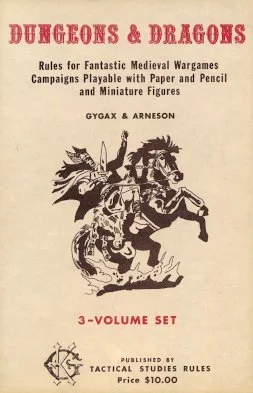
DnD 1st Ed.
I love to start with Dungeons and Dragons (DnD). This class was more fun than usually because multiple students had actual experience playing it where usually I’m lucky to get one that even knows about it vaguely. This meant that they could situate the debates in some of their experiences. Yes this controversy centered in the moronic Satanic Panic of the 1980s where idiots managed to convince themselves and others that hundreds of thousands of Satanists were running around operating day cares and schools and abusing millions of kids. DnD got hit with this as well in the rise of teen suicide in the 1980s—though rise assumes we have trustworthy earlier numbers where it seems likely that suicides were papered over by medical examiners and families. We took a look at this classic 60 Minutes clip about Pat Pulling and the war on DnD. One of the things I like to stress is that bereft people like Pulling, who’s teen son killed himself, seem to want an explanation far from home for this kind of tragedy. It wasn’t that her son could have been depressed and needed help that the family didn’t recognize, it was that he believed he was cursed in a game and the only way out was suicide. This controversy, thus, fits well with similar kinds of things like the comics panic. 1950s parents were aghast at stories of teens run amok—exaggerated stories at that—and the fault had to lay somewhere and comics became an easy thing to blame as moral panic entrepreneurs happily offered up “evidence” of this effect. Luckily DnD didn’t face nearly the same level of censorship pressures. Folks like the Pullings attempted to sue the company for causing suicides and always failed. Otherwise, controversy was mostly in libraries and schools around a few DnD groups that used public facilities. But the panic is illustrative of just how easy these silly worries can manifest.
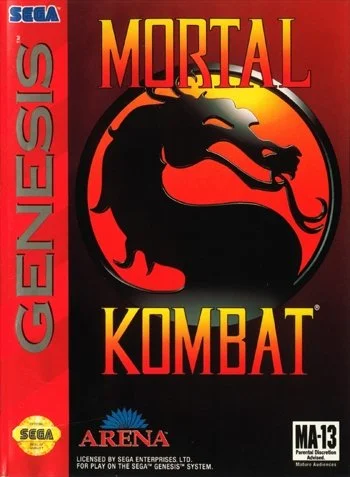
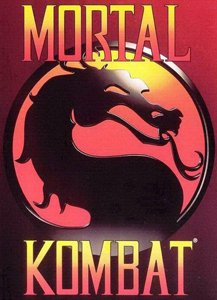
Mortal Kombat 1992
Where the DnD panic was mostly a sideshow run by small time grifters, the panic over video games was much more significant. This is particularly personal to me. I grew up in the console age first with a Nintendo Entertainment System and its groundbreaking but generally “safe” content games. Then came the Genesis when I was 12-13 with more “mature” games. Mortal Kombat looks ridiculous today but at the time it seemed photorealistic compared to the NES. Characters fought in bloody matches to the death and, if you were good enough—and I rarely was, you could pull off a character specific fatality killing an opponent in some spectacular way like ripping the spinal cord out. For an older generation this was just too much and the always opportunist Senator Joe Lieberman (D-CT) led hearings on video game violence that did nothing but let old people moralize about the supposed lost innocence of a younger generation. Here’s a New York Times look back at some of this.
The funny thing is, as we discussed in class, honestly I can see where this comes from. Video games are interactive in a way that no other media before really was, and they’ve only gotten more so with the rise of first person shooters, startling graphics, and virtual reality. If any media is going to cause crime and violence, I would expect it to be this. And the total failure of the evidence again demonstrates the fundamental danger of censorship based mostly on taste and generational outrage. The class discussion on this was great partly because most of the students had a good amount of experience with modern video games and one student is writing their research paper on this and was able to entertain us with just how little evidence of a causal effect on violence exists.
The lack of evidence, however, has never stopped censors. As with film, comics, music, and TV, video games turned to self-regulation of a ratings system to defuse concerns. The ratings would ensure parents knew what they were getting into and that largely worked. But California, buying into this idea that games caused mass shootings, decided to try and add legal teeth to this ratings system by punishing sellers who didn’t follow the ratings. The Supreme Court quickly invalidated this law in 2010. It held that clearly this was protected speech and California was targeting it because it was disfavored content (violence). That cannot be done without passing a high burden that California failed. This decision has always fascinated me because it shows how far things had come. A hundred years earlier, SCOTUS declared that film wasn’t even speech so government could censor it however it wished. Now you have SCOTUS, in an opinion written by the socially conservative Justice Antonin Scalia just easily accepting that video games are obviously protected speech. This speaks to the radical changes in the nature of speech law and what we conceptualize as expression in modern America.
I almost wish I had ended the substantive weeks with this discussion. I like the idea of moving from some of the oldest fights over the written word to ending with the battles over computer generated imagery combined with sex, blood, and violence in interactive storytelling. It speaks to the evolving lesson that while every new technology causes the older generation to freak out and cry about the end of morality and goodness in American society, and then they are proven wrong again and again. But we still have one more substantive week looking at controversy over young adult novels in modern America. Perhaps that is fitting, that we have kinda come full circle in the censorship freak outs.